A maintenance technician reaches into a jammed conveyor system. The machine powers on unexpectedly. Seconds later, the outcome is catastrophic. This isn’t a worst-case scenario—it’s a preventable reality that still unfolds in industrial environments where lockout tagout lock sets are ignored, misused, or absent.
At the heart of every effective energy control program lies the humble lockout tagout (LOTO) lock set. These aren’t just plastic or metal accessories—they are engineered safety devices designed to isolate hazardous energy sources and protect workers from electrocution, crushing, amputation, or worse. When used correctly, a standardized lockout tagout lock set ensures that machinery remains de-energized during servicing or maintenance.
OSHA estimates that proper lockout tagout procedures prevent 120 fatalities and 50,000 injuries annually in the U.S. alone. Yet studies show nearly 40% of industrial facilities fail full compliance during safety audits. A major reason? Inconsistent or inadequate lockout devices—including poorly selected or worn-out lock sets.
This guide cuts through the noise to deliver exactly what safety managers, maintenance leads, and plant supervisors need: a clear breakdown of lockout tagout lock sets, how to choose the right ones, and how to integrate them into a reliable safety workflow.
What Is a Lockout Tagout Lock Set?
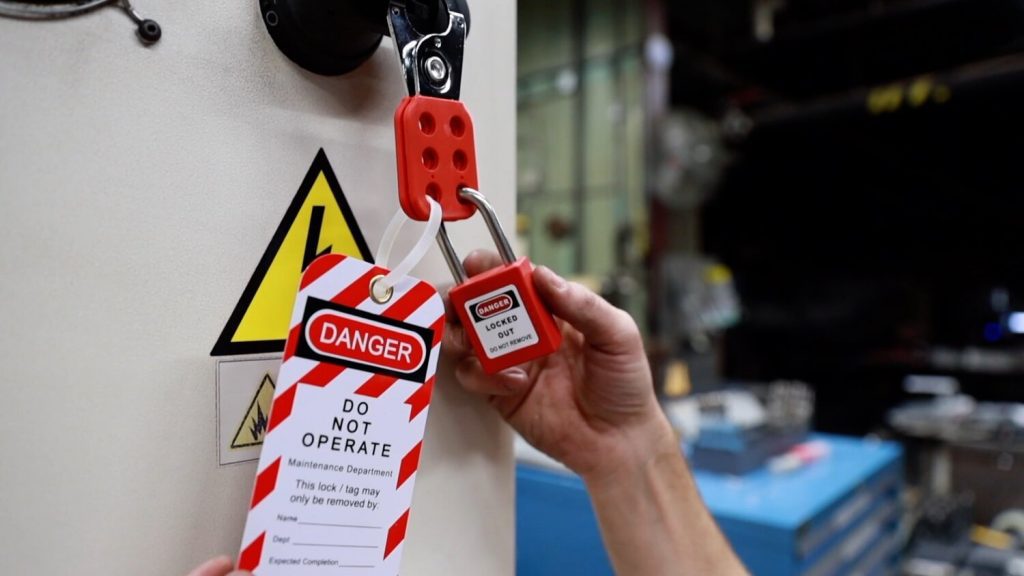
A lockout tagout lock set is a coordinated group of devices used to physically secure energy-isolating mechanisms—like circuit breakers, valves, switches, or disconnects—while maintenance or servicing occurs. These sets typically include:
- One or more padlocks (often keyed alike or master-keyed)
- Lockout hasps or brackets
- Tags for identification
- Valve locks, circuit breaker locks, plug locks, or other component-specific devices
Unlike generic locks, LOTO lock sets are designed with specific safety standards in mind. They are color-coded (commonly red for standard use), non-releasable shackles prevent shimming, and they support multiple-user lockout through group hasps.
They are not one-size-fits-all. A lock set used for isolating a hydraulic valve differs from one designed for a motor starter. Using the wrong type increases the risk of slippage, bypass, or incomplete isolation.
Common Mistake: Using personal padlocks not rated for LOTO. These may lack visual identification, durability, or tamper resistance. OSHA-compliant lock sets are purpose-built—don’t cut corners.
Why Standardization Matters in Lockout Systems When every technician brings their own lock, uses different colors, or applies tags inconsistently, confusion grows. In high-stress or high-noise environments, this confusion can be deadly.
Standardized lockout tagout lock sets enforce consistency. They ensure that every worker:
- Uses a lock with clear identification (name, department, contact)
- Applies tags with reason, date, and expected duration
- Follows the same isolation procedure across equipment
Facilities using standardized kits report faster turnaround times during maintenance and fewer procedural deviations. A unified system also simplifies training and auditing.
Practical Example: A paper mill switched from individual locks to color-coded, department-specific lock sets. Within six months, LOTO-related near-misses dropped by 70%. The change wasn’t technological—it was procedural, anchored in standardized hardware.
Key Components of an Effective Lock Set

Not all lock sets are created equal. A high-quality kit includes more than just a padlock. Here’s what to look for:
1. Safety Padlocks
- Shackle diameter: 6–9 mm (ensures fit over hasps and isolators)
- Non-conductive materials (for electrical applications)
- Keyed-alike or master-key options for teams
- Tamper-evident design
2. Lockout Hasps
- Allow multiple locks to be applied to a single isolation point
- Durable polymer or metal construction
- Clear labeling area for tags
3. Tags
- Tear-resistant, weather-resistant material
- Pre-printed fields: Name, Date, Reason, Department
- Write-once surfaces to prevent erasure
4. Equipment-Specific Locks
- Breaker locks (snap over toggles)
- Valve lockouts (wrap around handles)
- Plug lockouts (cover electrical cords)
- Beam locks (for lever switches)
Tip: Audit your facility’s machinery types and energy sources. Your lock set should cover every isolation point—no exceptions.
Top 5 Lockout Tagout Lock Sets in 2025
Choosing the right lock set depends on your environment, team size, and equipment. These five kits stand out for durability, compliance, and versatility.
| Brand & Model | Key Features | Best For |
|---|---|---|
| Grace Industries LOTO-6PK | 6 red safety padlocks, 6 tags, 1 hasp, 1 breaker lock | Small teams, general maintenance |
| Safeguard LOTO Master Kit | 10 locks, 10 tags, hasp, valve lock, breaker lock, storage case | Mid-sized plants, multi-department use |
| Master Lock 1494DAT | Weatherproof padlocks, 10-pack, keyed alike | Outdoor or high-moisture environments |
| Johnson Controls JCLT-10 | Heavy-duty steel locks, UV-resistant tags, comprehensive accessories | Heavy manufacturing, chemical plants |
| Seton 90672-12 | Complete 12-person kit, color-coded locks, training guide | Large facilities, safety training programs |
Key Consideration: Avoid kits with flimsy plastic locks. Metal-bodied locks with vinyl-coated shackles resist corrosion and cutting. Also, ensure tags meet ANSI Z535.5 standards for hazard communication.
Common Misuses That Compromise Safety
Even the best lock set fails when misused. These mistakes happen more often than you think:
Using Only Tags Without Locks Tags alone are not sufficient. OSHA requires a physical lock to prevent re-energization. A tag can be ignored; a lock cannot.
Sharing Locks or Keys Each worker must apply their own lock. Shared keys defeat the purpose of personal accountability.
Locking Out the Wrong Point Isolating a motor without cutting hydraulic pressure upstream? That’s a hazard. Always verify isolation at the true energy source.
Leaving Locks On Indefinitely Locks left on after work is complete create bottlenecks and encourage bypassing. Implement a lock removal checkpoint.
Skipping the Tag No name. No reason. No date. This turns a safety device into a mystery. Tags are legal documentation—treat them that way.
Pro Tip: Conduct monthly LOTO drills. Have technicians demonstrate full lockout on a non-critical machine. Observe and correct errors in real time.
Integrating Lock Sets into Your Safety Workflow
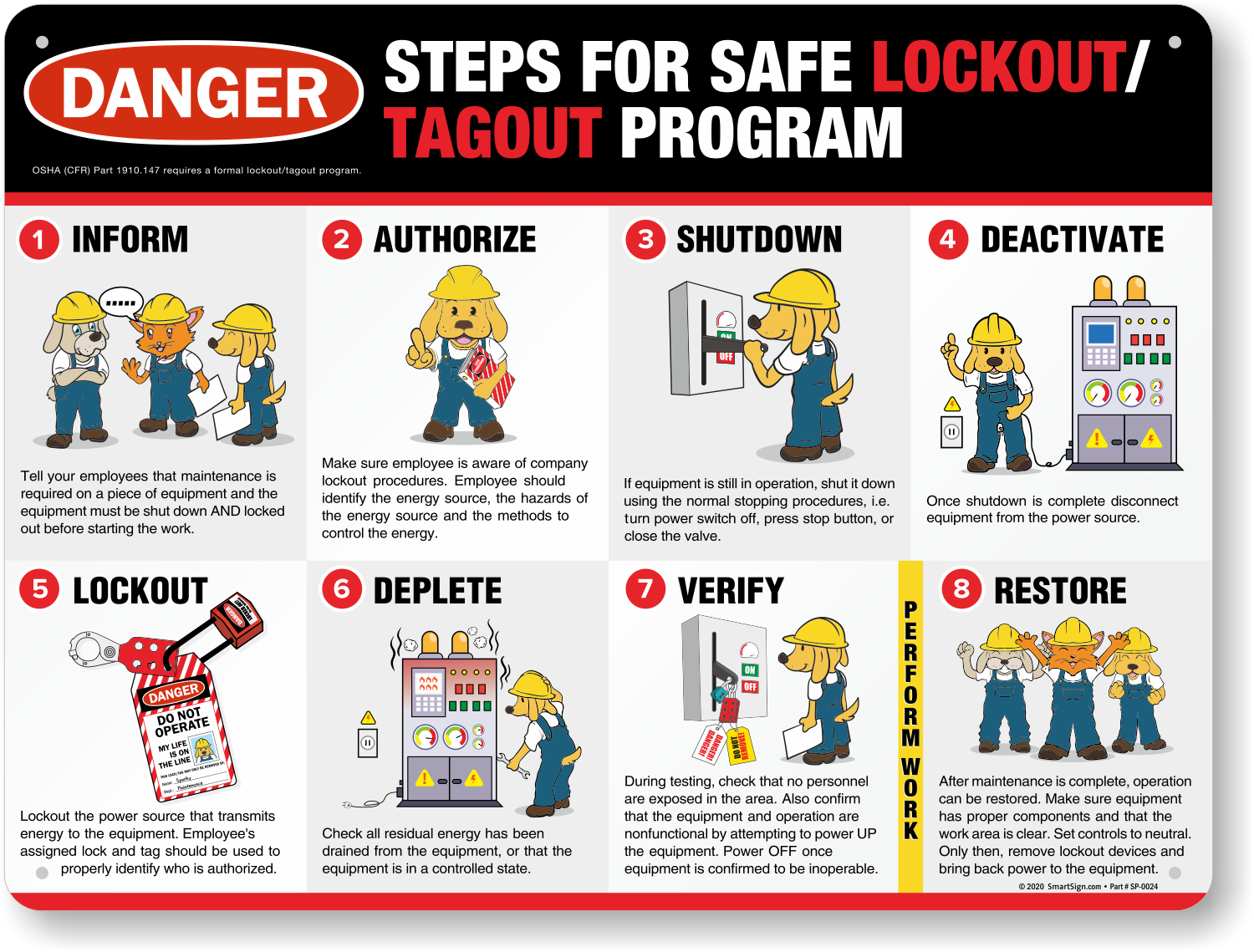
A lockout tagout lock set is a tool—not a procedure. To be effective, it must be embedded in a documented energy control plan.
Step-by-Step Integration:

- Identify Energy Sources – Electrical, pneumatic, hydraulic, thermal, chemical.
- Map Isolation Points – Label each disconnect, valve, or breaker.
- Select Appropriate Lock Sets – Match locks to equipment type.
- Train All Affected Employees – Include both authorized and non-authorized staff.
- Document Procedures – Written LOTO procedures for each machine.
- Audit Quarterly – Verify compliance and equipment condition.
Realistic Use Case: A food processing plant mapped all isolation points on its slicer lines. They issued valve locks for hydraulic lines, plug locks for motors, and standardized red padlocks with employee tags. Result: Zero LOTO incidents in 18 months.
Compliance Without Complication: Meeting OSHA and ANSI Standards
OSHA 29 CFR 1910.147 is the governing rule for control of hazardous energy. It doesn’t mandate specific brands—but it does require:
- Written procedures
- Periodic inspections (at least annually)
- Employee training
- Use of lockout devices that are “durable, standardized, substantial, and identifiable”
ANSI/ASSE Z244.1 adds engineering design standards for lockout devices, including:
- Resistance to environmental stress (heat, cold, moisture)
- Minimum shackle strength
- Visual clarity of tags and labels
Your lock sets must withstand daily use and still perform in an emergency. Look for third-party testing and certification labels when evaluating kits.
Limitation Note: LOTO lock sets are not a substitute for machine guarding. They are part of a layered safety system that includes engineering controls, training, and administrative procedures.
Choose the Right Set. Save a Life.
Lockout tagout lock sets are small in size but enormous in consequence. They stand between routine maintenance and life-altering injury. Choosing the right set—standardized, durable, and properly applied—is not an overhead cost. It’s a moral and operational imperative.
Equip your team with the right tools. Audit your LOTO program quarterly. Train relentlessly. And never assume that “it won’t happen here.”
Because when the power suddenly surges back on, the only thing standing between a worker and disaster might be a red lock with their name on it.
Frequently Asked Questions
What is included in a typical lockout tagout lock set? Most sets include safety padlocks, lockout hasps, tags, and equipment-specific locks like breaker or valve lockouts. Larger kits may include storage cases and training materials.
Can I use a regular padlock for lockout? No. Regular padlocks lack tamper resistance, visual identification, and compliance with OSHA standards. Always use LOTO-rated safety locks.
How many locks should a set contain? Depends on team size. Small teams may need 5–6 locks; larger facilities benefit from 10–12 lock kits to support group lockout.
Why are lockout tags important? Tags provide critical information: who locked the device, why, and when. They serve as communication and legal documentation during maintenance.
Can lock sets be used in wet environments? Yes, but only if they’re designed for it. Look for weather-resistant locks with corrosion-proof shackles and waterproof tags.
Do lockout locks need to be red? While not required by law, red is the industry standard for safety locks. It ensures immediate visual recognition in emergency or high-risk areas.
How often should lock sets be inspected? Inspect before each use. Conduct formal audits at least annually, checking for wear, damage, or missing components.
FAQ
What should you look for in Lockout Tagout Lock Sets: Your Essential Safety Shield? Focus on relevance, practical value, and how well the solution matches real user intent.
Is Lockout Tagout Lock Sets: Your Essential Safety Shield suitable for beginners? That depends on the workflow, but a clear step-by-step approach usually makes it easier to start.
How do you compare options around Lockout Tagout Lock Sets: Your Essential Safety Shield? Compare features, trust signals, limitations, pricing, and ease of implementation.
What mistakes should you avoid? Avoid generic choices, weak validation, and decisions based only on marketing claims.
What is the next best step? Shortlist the most relevant options, validate them quickly, and refine from real-world results.