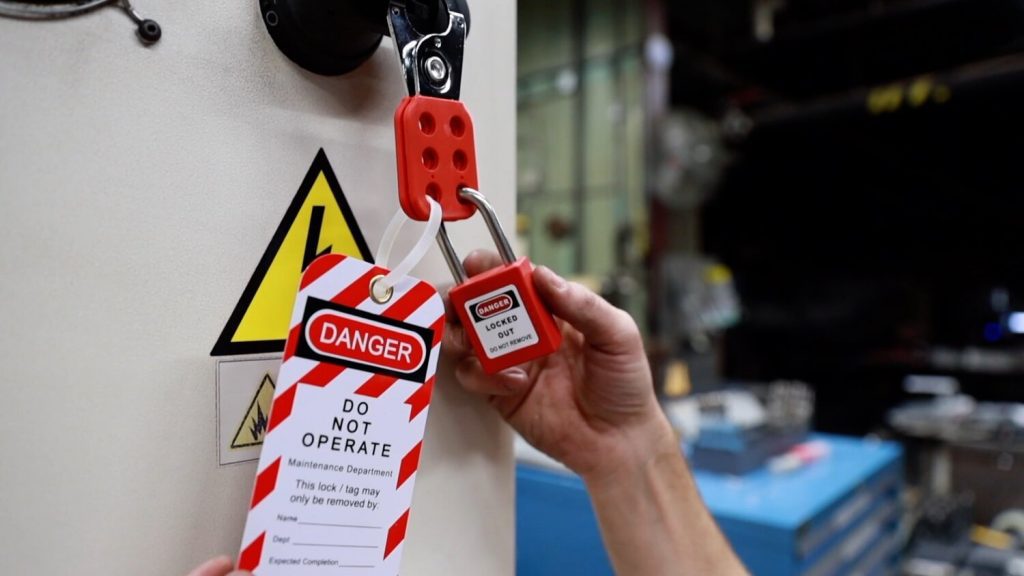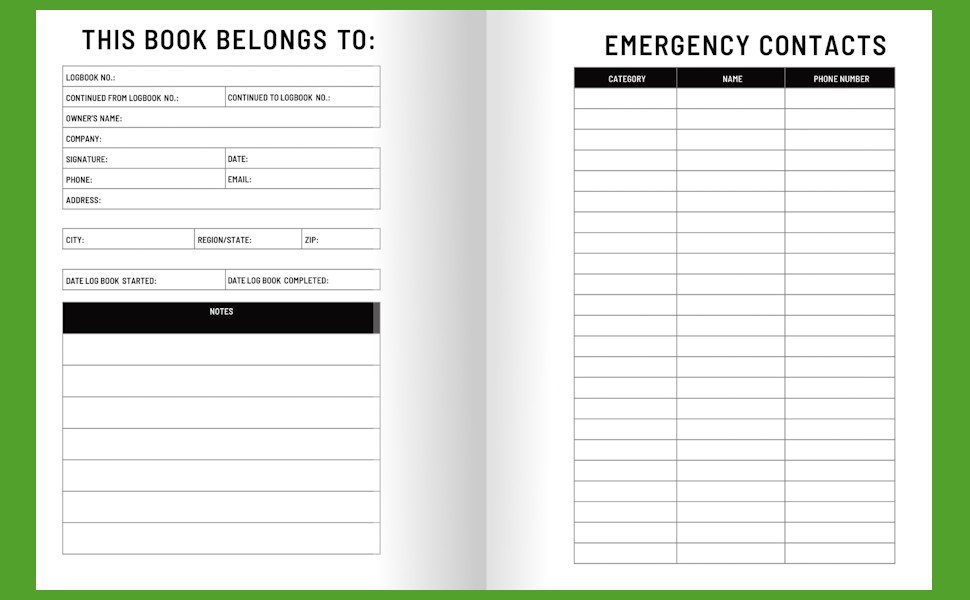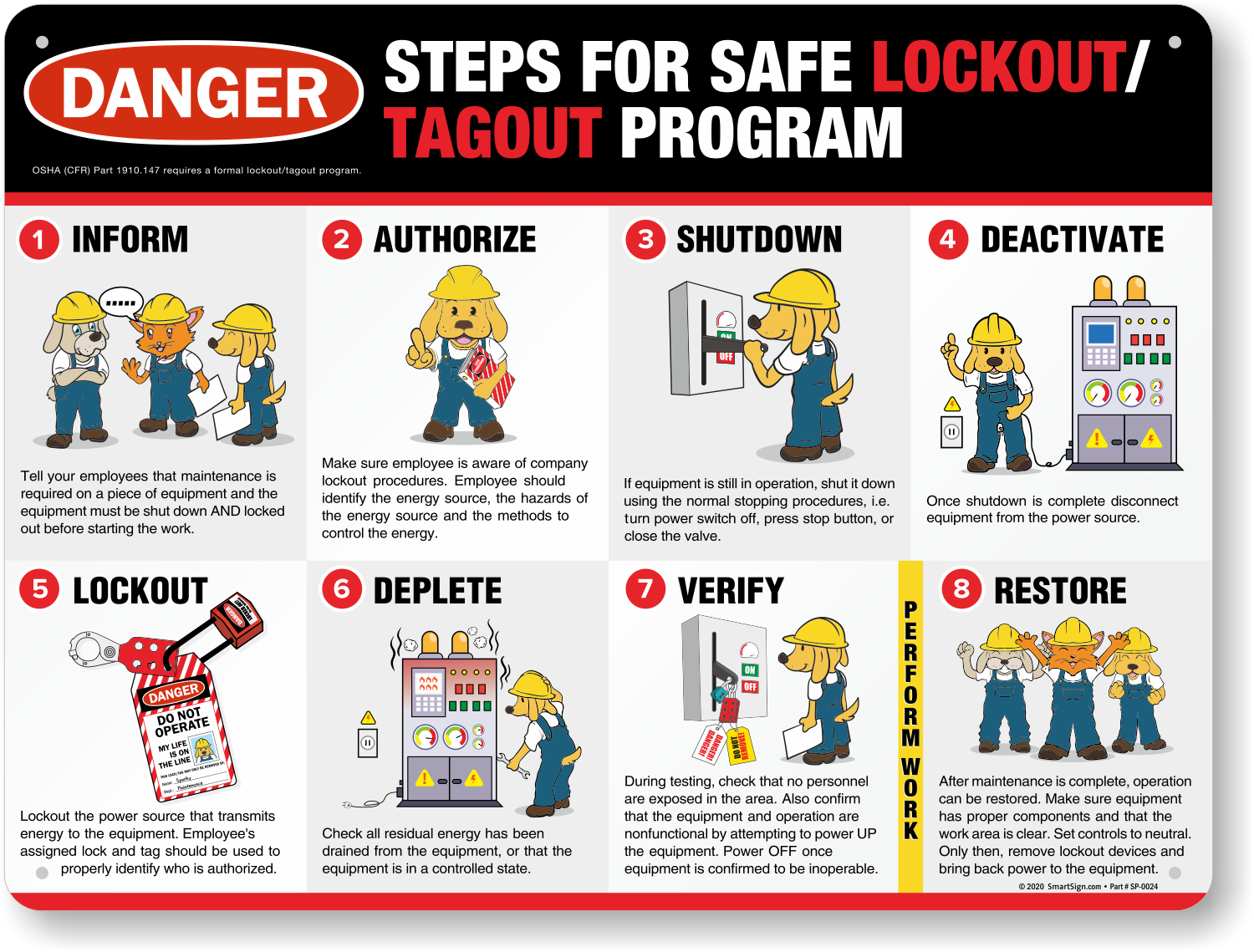
Every year, dozens of workers are injured or killed during maintenance operations simply because machinery was accidentally energized. These incidents are preventable—most fall directly under failures in lockout tagout (LOTO) procedures. A well-structured lockout tagout policy template isn’t just a compliance checkbox; it’s a living document that protects employees, reduces downtime, and strengthens safety culture.
This guide delivers a practical, customizable lockout tagout policy template framework along with actionable insights on implementation, common pitfalls, and real-world applications across industries.
What Is a Lockout Tagout Policy?
A lockout tagout policy defines how an organization controls hazardous energy during servicing or maintenance of machines and equipment. It outlines roles, procedures, training, and enforcement mechanisms to ensure that equipment remains de-energized until work is complete.
At its core, a LOTO policy answers four critical questions: - Who is authorized to perform lockout? - What equipment requires lockout procedures? - When must lockout be applied? - How are locks and tags applied, verified, and removed?
Unlike general safety statements, a strong LOTO policy is specific, enforceable, and integrated into daily operations. It aligns with OSHA’s 29 CFR 1910.147 standard and serves as the foundation for training, audits, and incident investigations.
Why You Need a Customizable LOTO Policy Template
Off-the-shelf templates are common, but they often fail when applied without adaptation. A generic form may list steps like “identify energy sources” but skip how to handle complex systems with multiple power types—hydraulic, pneumatic, electrical, thermal.
A practical template should: - Reflect your facility’s equipment and workflow - Assign clear accountability (e.g., authorized vs. affected employees) - Include space for equipment-specific procedures - Support periodic review and updates
Consider a manufacturing plant with automated conveyor systems. A boilerplate template might not address the residual energy in elevated conveyors or the need for secondary support blocks. Your policy must go beyond compliance wording—it must reflect operational reality.
Key Components of an Effective Lockout Tagout Policy Template
A high-impact LOTO policy includes these essential sections:
1. Purpose and Scope Define why the policy exists and what it covers. Include exclusions (e.g., minor tool changes under normal production) and reference applicable regulations.
Example: "This policy applies to all maintenance, repair, and cleaning activities involving machines with potentially hazardous energy, except for minor servicing tasks performed during normal production operations, provided safeguards are effective."
2. Definitions Clarify terms like “authorized employee,” “affected employee,” “energy isolating device,” and “group lockout.”
Avoid vague language. For instance, distinguish between a tag (a warning device) and a lock (a physical restraint).
3. Roles and Responsibilities List who does what:
- Authorized employees perform lockout and are trained in energy control
- Affected employees operate or use equipment but don’t perform maintenance
- Supervisors ensure compliance and verify training
- Safety officers audit procedures and investigate deviations
4. Lockout Procedure Steps Use a numbered, sequential format. A strong template includes: 1. Preparation for shutdown 2. Notification of affected personnel 3. Machine shutdown 4. Isolation of all energy sources 5. Application of lock(s) and tag(s) 6. Release of stored energy 7. Verification of de-energization 8. Completion and removal of locks
Each step should reference supporting documentation, like equipment-specific LOTO checklists.
5. Group Lockout Provisions Detail how multiple workers handle a single machine. Use a group lockout box where each technician applies their personal lock. The last person removes their lock only after confirming all others have cleared the area.
6. Training and Retraining State initial training requirements and refresher frequency (at least annually). Include certification records and performance verification.
7. Periodic Inspections Mandate quarterly or annual audits of each LOTO procedure by a supervisor or safety officer. Document findings and corrective actions.
8. Enforcement and Non-Compliance Outline disciplinary actions for bypassing LOTO. Make it clear that violations are taken seriously, even if no injury occurs.
Common Mistakes in LOTO Policies (and How to Fix Them)
Many policies look good on paper but fail in practice. Here are frequent flaws and corrections:
| Mistake | Risk | Solution |
|---|---|---|
| Vague procedure language | Misinterpretation during high-stress situations | Use plain language and include diagrams or flowcharts |
| No equipment-specific appendices | Workers improvise | Attach machine-specific LOTO checklists to the policy |
| Over-reliance on tags without locks | Tags can be ignored | Emphasize locks as primary control; tags are secondary warnings |
| Infrequent audits | Drift from procedure | Schedule and document annual inspections with sign-offs |
| Poor lock management | Lost or shared locks | Issue individual lock sets with unique IDs and maintain a log |
One food processing plant avoided a potential fatality when a technician noticed a missing step in the LOTO checklist for a slicer machine. The template had been updated only after a near-miss audit—proving that living documents save lives.
Real-World Use Case: Implementing LOTO in a Metal Fabrication Shop
A mid-sized fabrication facility with 45 employees struggled with inconsistent lockout practices. Some technicians used padlocks, others only tags. Maintenance delays increased due to confusion over who had control of a press brake.
They adopted a standardized LOTO policy template with these changes: - Created machine-specific LOTO cards for each press, shear, and welding station - Assigned color-coded locks by department (blue for maintenance, red for electrical) - Installed group lockout stations with hasp brackets and log sheets - Conducted hands-on training using a decommissioned press for practice
Within six months, LOTO compliance rose from 62% to 98%, and zero energy-related incidents were reported the following year. The template became a central part of onboarding and safety meetings.
Tools and Resources to Support Your LOTO Policy
While the policy is the framework, supporting tools ensure consistency. Here are five practical options:
- Brady LOTOStation Software
- - Cloud-based platform for creating, managing, and auditing LOTO procedures
- - Includes digital checklists and training tracking
- - Best for mid to large facilities with complex equipment
- Grace Digital LOTO Management System
- - Mobile app for real-time lockout logging and photo documentation
- - Integrates with existing CMMS systems
- - Ideal for multi-site operations
- Seton LOTO Template Builder
- - Free online tool to generate customizable policy drafts
- - Offers OSHA-aligned language and printable checklists
- - Great for small businesses starting from scratch
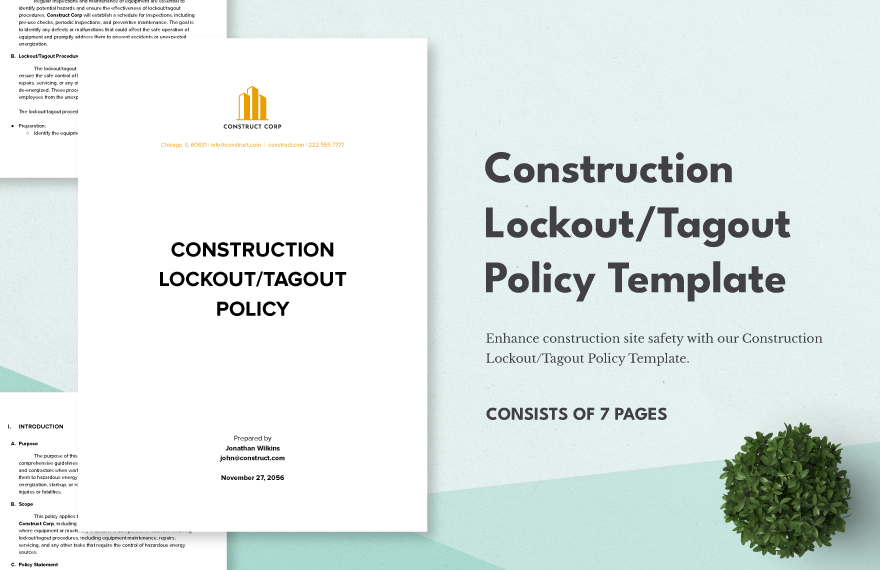
- Master Lock eLearning and Toolkit
- - Training modules + downloadable templates and posters
- - Includes Spanish-language materials
- - Useful for developing training programs
- Lockout Tagout.com Procedure Generator
- - Step-by-step wizard to build equipment-specific procedures
- - Outputs PDFs with space for signatures and dates
- - No subscription required
These tools don’t replace your policy—they enhance it by ensuring accessibility, consistency, and accountability.
How to Customize and Implement Your Template
Adopting a template isn’t a one-time task. Follow this workflow:
- Inventory Equipment
- List every machine requiring LOTO. Note energy types (electrical, hydraulic, etc.).
- Draft the Policy
- Use a template as a starting point. Tailor language to your environment.
- Develop Equipment-Specific Procedures
- For each machine, document exact steps, energy isolation points, and lock locations.
- Train Employees
- Conduct hands-on sessions. Have authorized employees demonstrate lockout on actual equipment.
- Audit and Improve
- Observe real lockout events. Adjust the policy based on gaps or feedback.
Store the final policy in an accessible location—digital portals, break rooms, or maintenance offices. Update it whenever new equipment is added or after an incident.
Final Checklist: Is Your LOTO Policy Ready?
Before rolling out your lockout tagout policy template, verify these points:
✅ All machinery with hazardous energy is included ✅ Roles are clearly defined and communicated ✅ Procedures are step-by-step and machine-specific ✅ Training records are established ✅ Locks, tags, and hasps are available and standardized ✅ A review and audit schedule is in place
A strong LOTO policy doesn’t just prevent accidents—it builds trust. Workers who see consistent, well-documented safety practices are more likely to engage, report issues, and follow protocols.
Act Now: Strengthen Your Safety Framework
Don’t wait for an incident to validate the need for a solid lockout tagout policy. Start with a reliable template, customize it to your operations, and integrate it into your safety culture. Download a free starter template from OSHA or a trusted provider, then adapt it with your team. Conduct a walkthrough on one machine this week. Train one crew. Small actions create lasting change.
Your policy isn’t paperwork—it’s protection.
FAQ
What is the difference between lockout and tagout? Lockout uses a physical lock to prevent equipment energization. Tagout uses a warning tag. Lockout is preferred; tagout alone is only acceptable if a lock can’t be used.
Who should be trained on the LOTO policy? Authorized employees (who perform lockout) must be fully trained. Affected employees (who operate equipment) need awareness training.
How often should LOTO procedures be audited? OSHA requires annual inspections of each procedure, conducted by someone not involved in the lockout.
Can multiple people use the same lock? No. Each authorized employee must use their own personal lock with a unique key or combination.
Do battery-powered tools require LOTO? Yes, if they store hazardous energy. Remove batteries and apply a lock or tag during servicing.
Should LOTO procedures be posted at equipment? Ideally, yes. A summary or checklist near the machine improves compliance and response time.
Can electronic locks be used for LOTO? Only if they provide equivalent protection to mechanical locks and meet OSHA’s performance criteria.
FAQ
What should you look for in Lockout Tagout Policy Template: A Practical Guide for Compliance? Focus on relevance, practical value, and how well the solution matches real user intent.
Is Lockout Tagout Policy Template: A Practical Guide for Compliance suitable for beginners? That depends on the workflow, but a clear step-by-step approach usually makes it easier to start.
How do you compare options around Lockout Tagout Policy Template: A Practical Guide for Compliance? Compare features, trust signals, limitations, pricing, and ease of implementation.
What mistakes should you avoid? Avoid generic choices, weak validation, and decisions based only on marketing claims.
What is the next best step? Shortlist the most relevant options, validate them quickly, and refine from real-world results.